

The U.S. economy is experiencing a period of significant change, marked by fluctuations in employment rates, inflation, and energy costs. Understanding these trends is crucial for individuals and businesses alike.
Employment Trends
Recent data indicates a mixed picture in the job market. While certain sectors have seen job growth, others are facing challenges. For instance, the health care sector has been a consistent source of employment, whereas other industries have experienced job losses. This uneven distribution underscores the importance of staying informed about sector-specific developments.
Inflation and Energy Prices
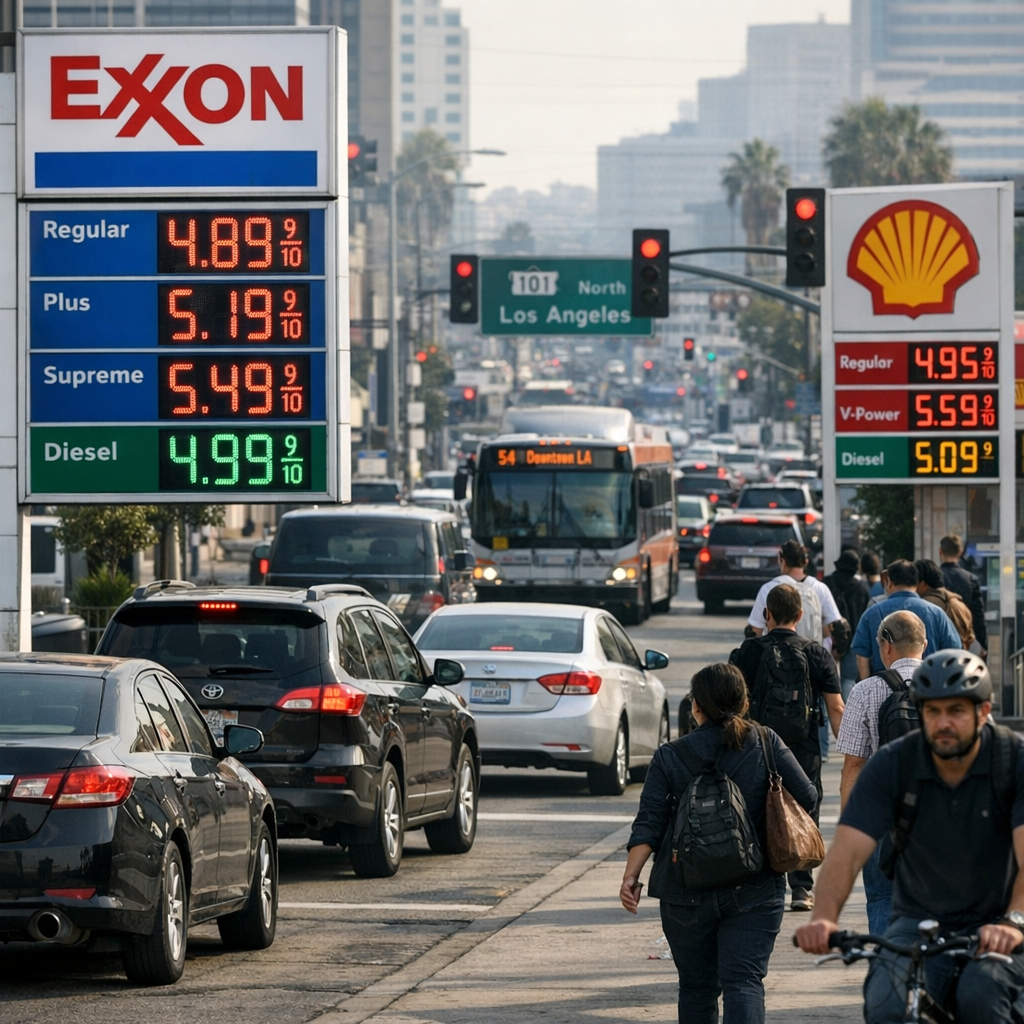
Inflation remains a pressing concern, with recent figures showing a rise to 3.8% in April, the highest in nearly three years. A significant contributor to this uptick is the increase in energy prices. Gasoline prices have surged, averaging over $4.50 nationally, with some states exceeding $5 per gallon. These elevated costs are partly attributed to geopolitical events affecting global oil supply chains.
Impact on Consumers
The combination of rising inflation and energy prices has tangible effects on consumers. Household budgets are strained as the cost of living increases, leading to heightened economic anxiety. It’s essential for individuals to monitor these trends and adjust their financial planning accordingly.
Looking Ahead
While the current economic landscape presents challenges, it’s important to recognize the resilience of the U.S. economy. Policymakers and economic leaders are actively seeking solutions to stabilize the market and address inflationary pressures. Staying informed and adaptable will be key for navigating the evolving economic environment.